figure / figures<br /&


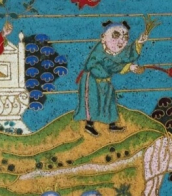







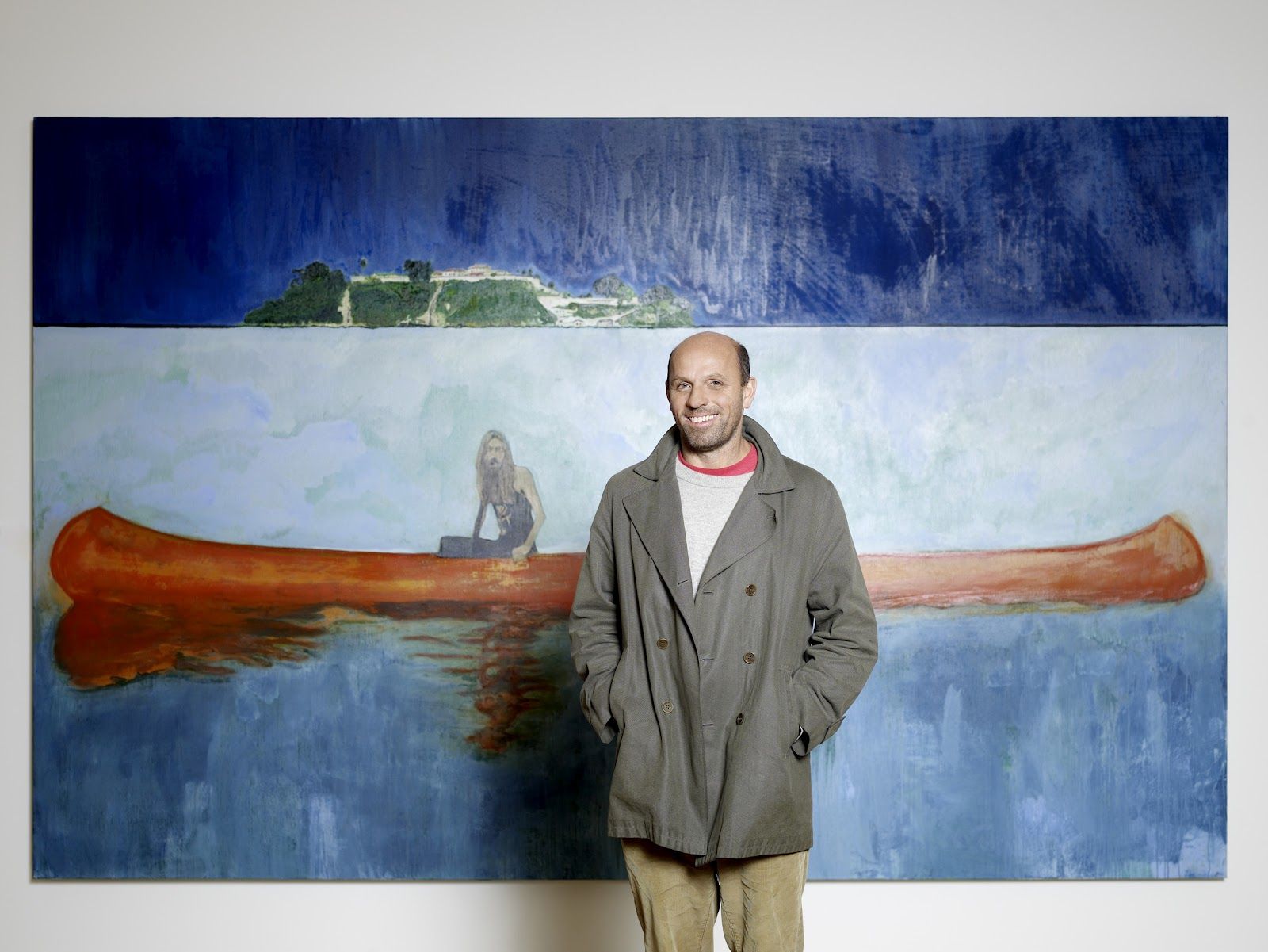
Peter Doig, a Scottish painter, is renowned for his distinct, evocative style that captures elements of the natural world intertwined with a sense of the fantastical. Known for his vibrant use of color and imaginative landscapes, Doig's works often explore themes of memory and nostalgia, heavily influenced by his experiences in Canada, Trinidad, and the United Kingdom.
Peter Doig’s journey in the art world gained significant momentum after his education at Chelsea College of Arts, which was followed by his winning the prestigious Whitechapel Artist Prize in 1991. This recognition led to a solo exhibition at the Whitechapel Art Gallery where he showcased key works that helped define his career, such as "Swamped" and "The Architect's Home in the Ravine."
Throughout his career, Peter Doig has demonstrated a mastery of painting, evident in works like "White Canoe" and "Echo Lake," which reside in major collections such as the Tate and the Saatchi Collection. His art not only reflects his personal history and travels but also incorporates elements from cinema and photography, giving his paintings a dream-like quality that invites viewers to interpret their narratives.
Peter Doig's work has been exhibited worldwide, including significant retrospectives at the Fondation Beyeler in Basel and the Louisiana Museum of Modern Art in Denmark. His achievements in the art world have been recognized with numerous awards, including being named the 2017 Whitechapel Gallery Art Icon.
For those interested in the contemporary art scene, Peter Doig remains a pivotal figure whose works continue to inspire and provoke deep reflection. Art collectors and enthusiasts keen on following updates related to new sales and auction events featuring Doig’s work can sign up for targeted updates here.




Paul Gauguin, a French artist born in Paris in 1848, is renowned for his significant contributions to Post-Impressionism, Primitivism, and Synthetism. Gauguin's art is distinguished by his experimental use of color and style, which set him apart from the traditional Impressionist movement.
Gauguin's early life was marked by a period in Peru, which influenced his artistic perspective. Initially, he pursued a career in stockbroking but soon turned to art, driven by financial necessity and a growing passion. His artistic journey began under the mentorship of Impressionist artist Camille Pissarro and through exposure to the works of other avant-garde artists.
The hallmark of Gauguin's work is his exploration of non-Western cultures, particularly during his time in Tahiti and the Marquesas Islands. This period saw the creation of some of his most famous works, including "Where Do We Come From? What Are We? Where Are We Going?" His paintings from this era, characterized by vivid colors and Symbolist themes, reflect a fusion of cultural influences and his quest for a "primitive" expression of spiritual and emotional states.
Despite his innovative style, Gauguin struggled with financial difficulties and health issues throughout his life. His work received little recognition during his lifetime, but posthumously, he gained acclaim for influencing modern artists like Pablo Picasso and Henri Matisse.
Today, Gauguin's works are celebrated in galleries and museums worldwide for their unique blend of cultural influences and artistic innovation. His enduring legacy is a testament to his unique vision and the profound impact he had on the art world.
Collectors and experts in art and antiques, stay updated on new product sales and auction events related to Paul Gauguin. Sign up now for exclusive updates and immerse yourself in the world of this visionary artist.
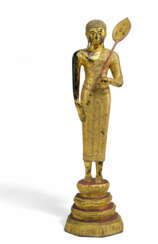











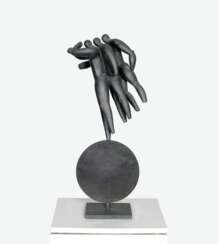

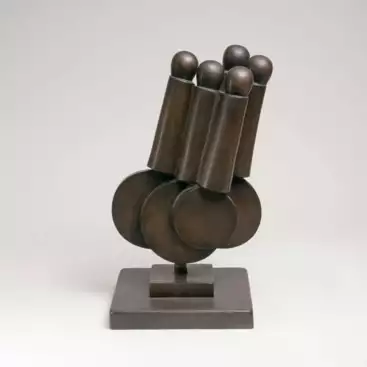
Georg Engst was a German sculptor.
Engst preferred to work in wood, stone and bronze, but also in aluminium, concrete and glass. Much of his artistic work from the mid-1950s onwards is abstract-geometric in character, initially in the form of inlaid panels and inlaid walls made of wood, for example for a commission for the conference room of the Regional Church Office in Hanover in 1957.
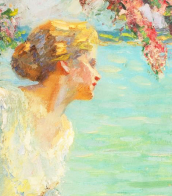
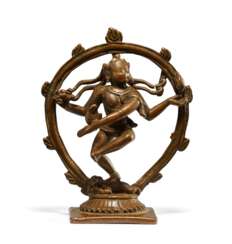






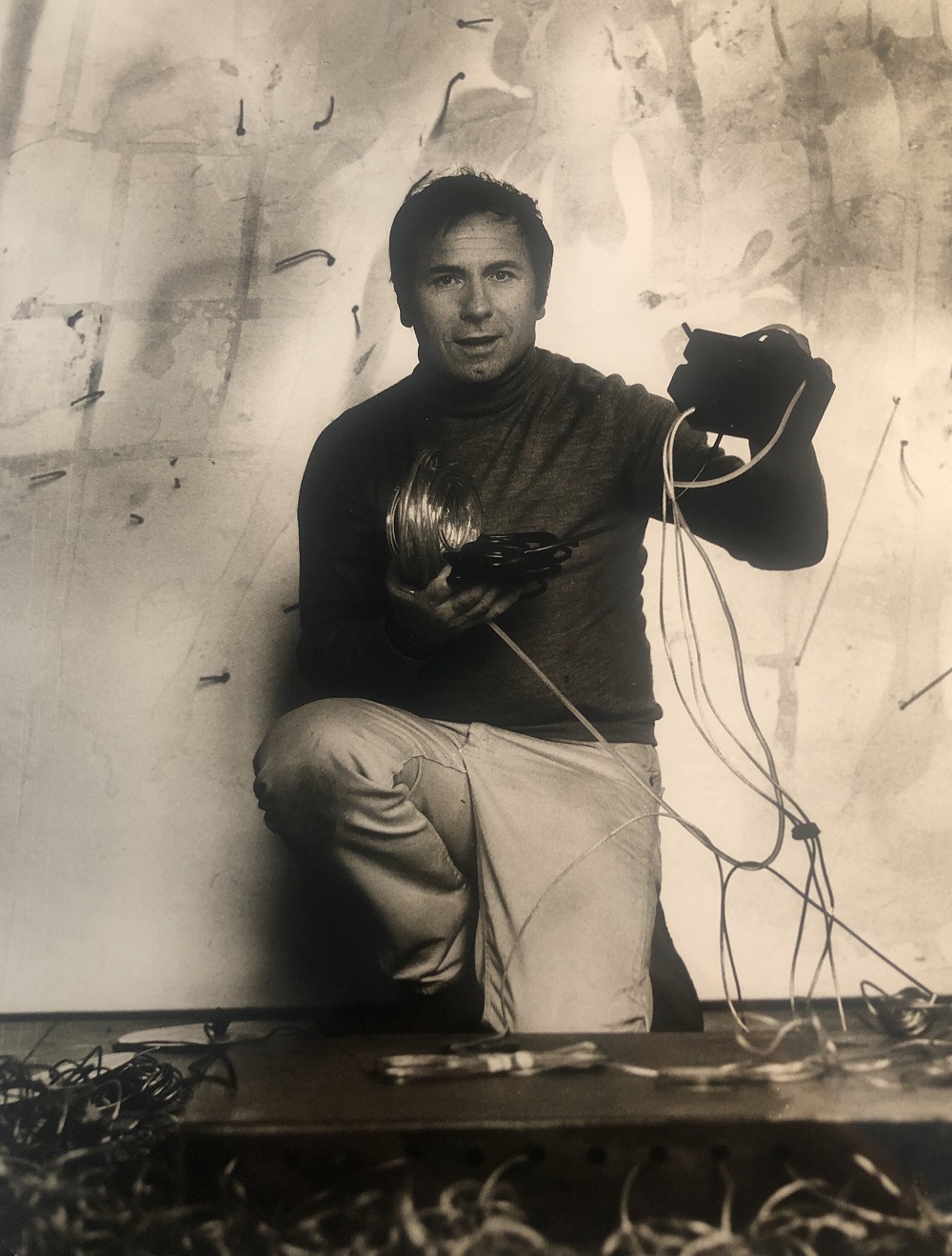
Gerhard Hoehme was a German expressionist painter.








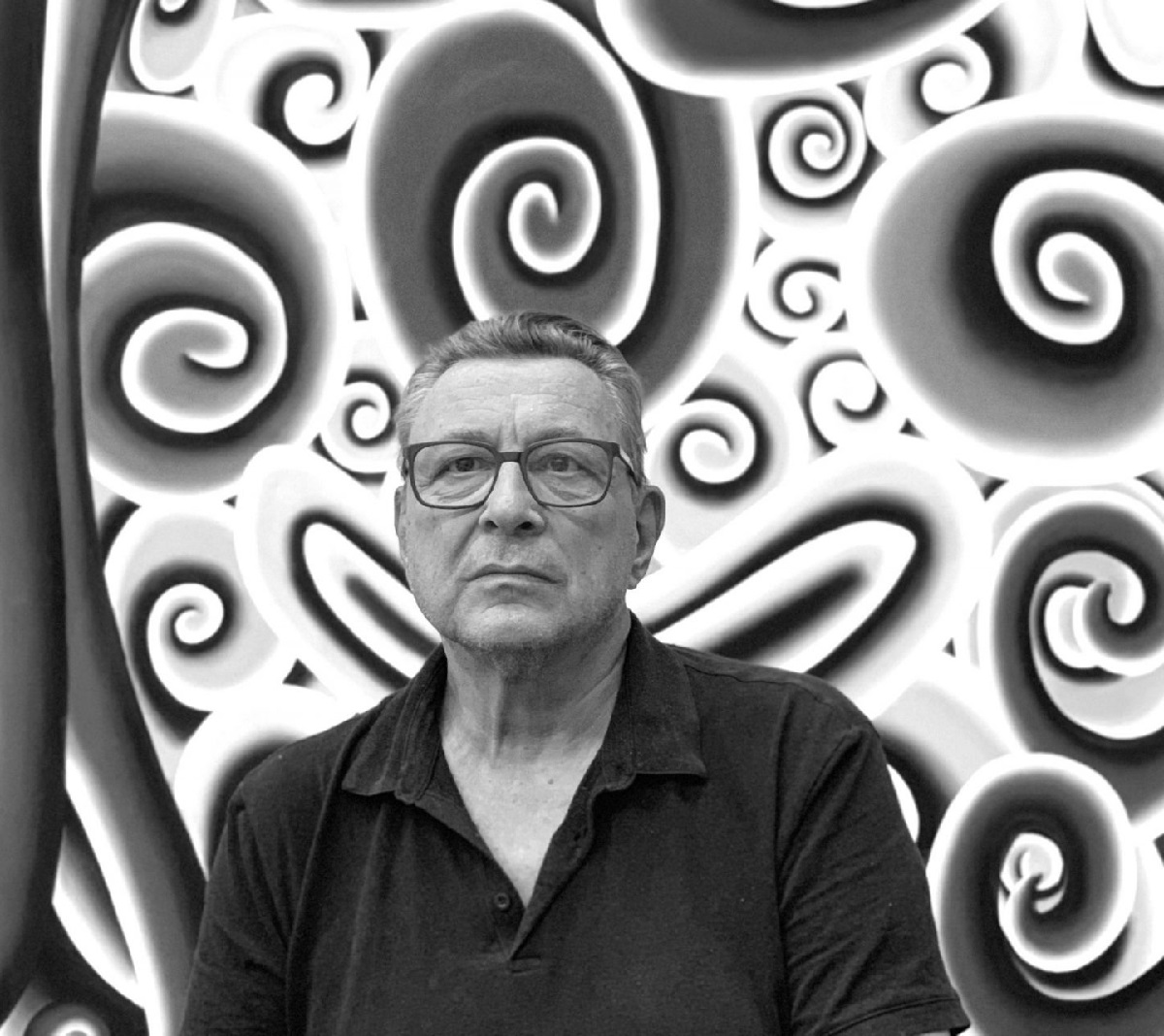
Andreas Schulze is a German painter.
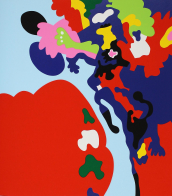
Andreas Schulze first began showing alongside neo-expressionist artists in the 1980s, although his work was considerably less gestural than that of his contemporaries. The artist instead opted for more rounded forms, which he used to create a playful, humorous style of figuration. Typical subjects included the contents interior spaces — such as pillows, lamps, and furniture — which he merged with more ominous abstraction.